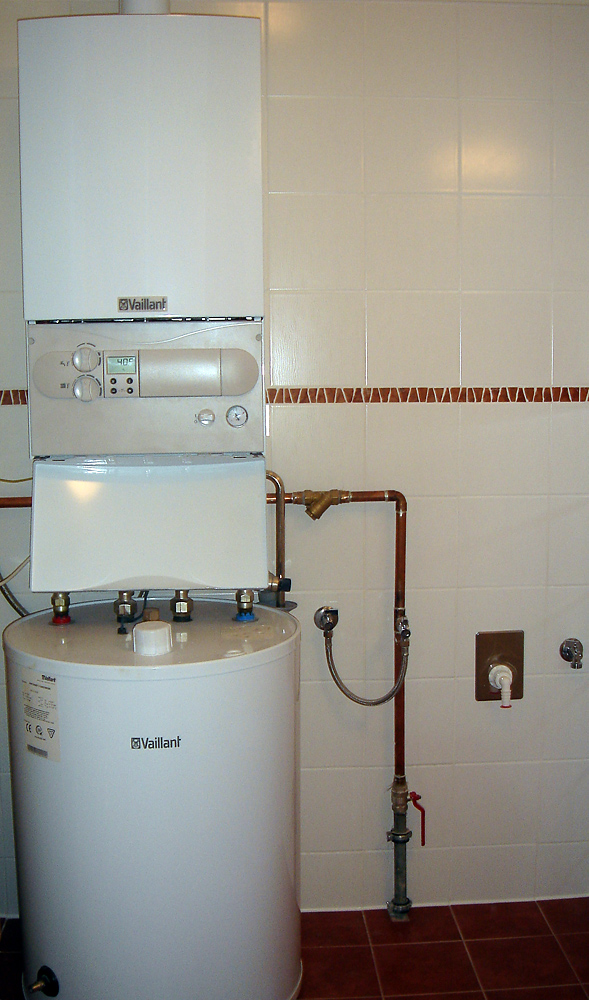
How to Insulate Pipes for Winter
Which pipes freeze first, what materials hold up below −20°C, and the step-by-step process for foam pipe sleeves and heat tape — including code notes for Ontario and Alberta.
Read the guide →Step-by-step checklists for pipe insulation, roof inspection, furnace servicing, and weatherstripping — written for Canadian climate conditions.
Last reviewed: May 2026
Guides
Three detailed guides covering the most common cold-weather maintenance tasks for Canadian homes.
Which pipes freeze first, what materials hold up below −20°C, and the step-by-step process for foam pipe sleeves and heat tape — including code notes for Ontario and Alberta.
Read the guide →
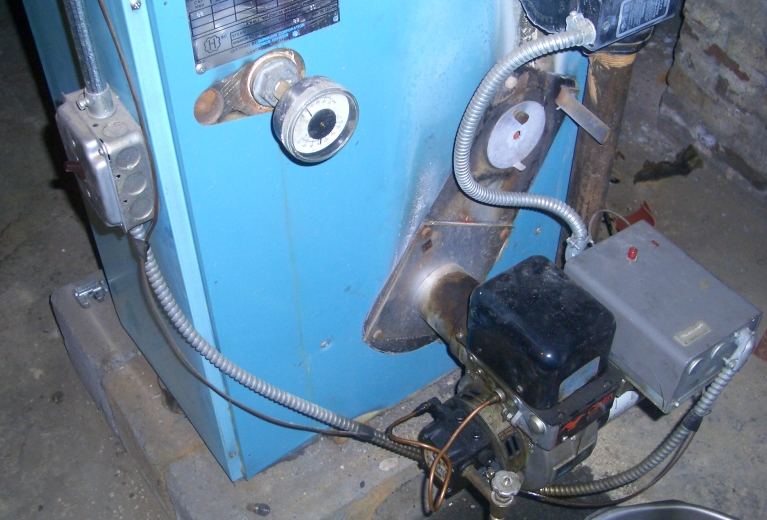
A room-by-room and exterior checklist for assessing ice dams, attic ventilation, flashing condition, and snow load — with guidance on when to call a licensed roofer.
Read the guide →
Filter replacement schedules, what a technician checks during an annual inspection, signs of heat exchanger problems, and Natural Gas safety notes for Ontario and BC homeowners.
Read the guide →Why it matters
Temperatures across Canadian provinces regularly drop below −20°C. Water in uninsulated pipes freezes in hours. Early preparation avoids emergency repairs mid-winter.
Provincial codes (Ontario Building Code, Alberta Building Code) specify minimum insulation values and installation standards. These guides reference the relevant sections.
Annual furnace inspections, bi-annual roof checks, and seasonal weatherstripping reviews follow manufacturer timelines and align with most home insurance requirements.
Quick checklist
A condensed list of tasks homeowners across Canada typically complete in October before sustained freezing temperatures arrive.
Contact
For questions about the guides or to suggest a topic, use the form. Responses are not guaranteed for individual inquiries.
North Plain Home
Toronto, Ontario, Canada
This site does not provide professional engineering or contracting advice. For structural or mechanical work, consult a licensed contractor in your province.